
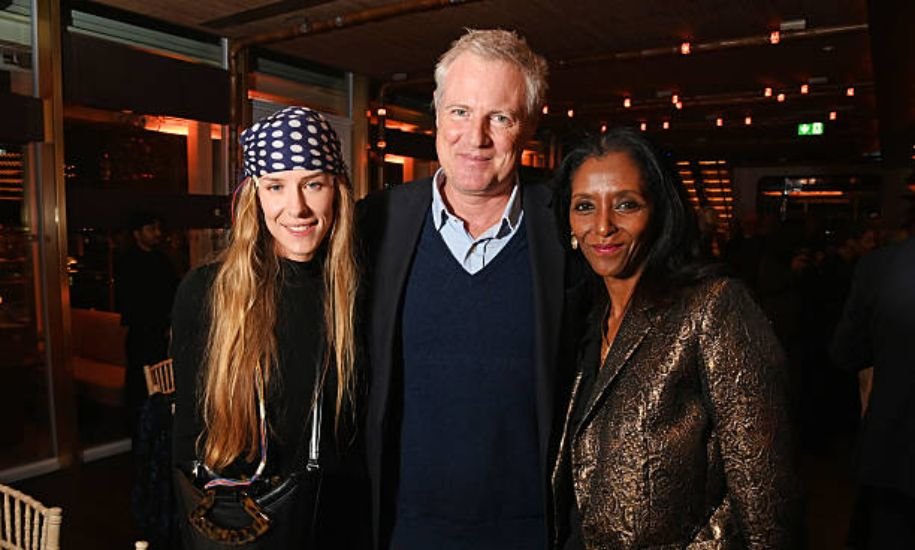
Zeinab Mohammed‑Khair Badawi is one of the most distinguished voices in international journalism. Renowned for her authoritative presence on major global media platforms, Badawi has built a career that spans more than four decades, making her a respected figure not just in broadcasting, but also in academia and civic engagement. Her life story is one of remarkable achievement, shaped by cultural heritage, family influence, and an enduring commitment to telling stories that matter.
Early Life and Family Background
Zeinab Badawi was born on 3 October 1959 in Khartoum, Sudan. She comes from a family deeply rooted in education and social reform. Her father, Mohammed‑Khair El Badawi, was a newspaper editor in Sudan and later worked with the BBC’s Arabic Service. His dedication to journalism and media provided a foundational influence on Badawi’s own career choices.
Her great-grandfather, Babikir Badri, was a pioneer in promoting education for girls in Sudan, founding institutions to ensure that young women had access to learning at a time when such opportunities were limited. Growing up, Zeinab was exposed to both Sudanese and British cultural values, which allowed her to navigate and appreciate diverse perspectives. She was raised bilingual, speaking Arabic and English fluently, which later proved invaluable in her work as an international journalist.
Education
Zeinab Badawi’s academic journey was marked by excellence. She attended school in North London, completing her early education before enrolling at St Hilda’s College, Oxford, where she studied Philosophy, Politics, and Economics (PPE). This program provided her with a broad understanding of societal structures, political systems, and economic principles, laying the groundwork for her analytical approach in journalism.
After completing her undergraduate degree, Badawi pursued postgraduate studies at the School of Oriental and African Studies (SOAS), University of London, earning a Master’s degree in Middle East History and Anthropology with distinction. This advanced education offered her deep insights into the cultures, histories, and political contexts of the Middle East and Africa, which would become central to her reporting and documentary work.
Career in Journalism
Zeinab Badawi began her career in journalism with early roles at regional media outlets, including Yorkshire Television and BBC Manchester, gaining hands-on experience in reporting, production, and broadcasting.
Her rise to prominence came with several key positions:
- ITV Morning News: Badawi became the first presenter of the ITV Morning News, making her a recognizable face in British television journalism.
- Channel 4 News: She co-presented Channel 4 News alongside Jon Snow for nearly a decade, reporting on critical national and international events.
- BBC Roles: She joined BBC News in 1998 and became a leading presenter on BBC World News, hosting programs such as World News Today, HARDtalk, and Global Questions. Her interviews with world leaders and policymakers have earned her acclaim for professionalism and depth.
- Documentary Work: Badawi produced and presented significant documentary series, including The History of Africa, which explored African history, culture, and heritage from indigenous perspectives.
In addition to her media work, Zeinab Badawi has held leadership roles in academic and cultural institutions. In 2021, she was appointed President of SOAS University of London, further solidifying her influence in education and public discourse. Her career reflects a commitment not only to journalism but also to fostering knowledge, dialogue, and understanding across cultures.
Faith and Cultural Identity
Although Zeinab Badawi is widely recognized for her professional achievements, her cultural and religious heritage has been a formative part of her life. Born into a Muslim family, she has often spoken about the importance of education, cultural identity, and community values. While she rarely emphasizes her personal religious practice in public, her upbringing instilled a deep respect for her heritage and informed her worldview.
Badawi’s dual identity as Sudanese and British has influenced her reporting style, enabling her to engage with diverse audiences and approach complex global issues with cultural sensitivity. Her bicultural experience has also been a recurring theme in her public talks and writings, highlighting the advantages of understanding and navigating multiple cultural landscapes.
Personal Life: Marriage, Partner, and Children
Zeinab Badawi’s personal life, though kept largely private, includes her marriage to David Crook in 1991. The couple later divorced. Together, they had four children, consisting of two sons and two daughters. While she maintains a low profile regarding her family, it is evident that her role as a mother has shaped her perspectives on work-life balance, responsibility, and advocacy for women in professional environments.
Balancing a high-profile career with family commitments, Badawi exemplifies how one can navigate personal and professional demands while maintaining a public persona of integrity, professionalism, and intellectual engagement.
Legacy and Achievements
Zeinab Badawi’s contributions extend beyond her work as a journalist. She has been recognized for her role in promoting dialogue, understanding, and education on global issues. She has served on boards of cultural organizations and nonprofit institutions, including the Royal African Society and advisory panels associated with African development and education.
Her recent book, An African History of Africa, reflects her dedication to reframing narratives and offering nuanced perspectives on the continent’s history. Badawi’s ability to bridge cultures and tell stories that resonate globally underscores her lasting impact in journalism, academia, and civic leadership.
Her awards, honorary degrees, and recognition for contributions to international journalism illustrate not only her skill but also her dedication to elevating voices, promoting informed discourse, and fostering a deeper understanding of global affairs.
Conclusion
Zeinab Badawi is more than a journalist; she is a global communicator, educator, and advocate for cultural understanding. Her life story reflects the integration of heritage, education, professional excellence, and family values. From her early years in Sudan to her influential presence in British media and international forums, Badawi demonstrates how dedication, intellect, and empathy can shape a remarkable career.
Her legacy continues to inspire aspiring journalists, students, and professionals seeking to make an impact across borders. Zeinab Badawi’s journey is a testament to the power of storytelling, cultural awareness, and leadership in shaping public discourse.
This profile of Zeinab Badawi has been presented by Anglia Times, highlighting her life, career, and contributions to journalism and society.
