
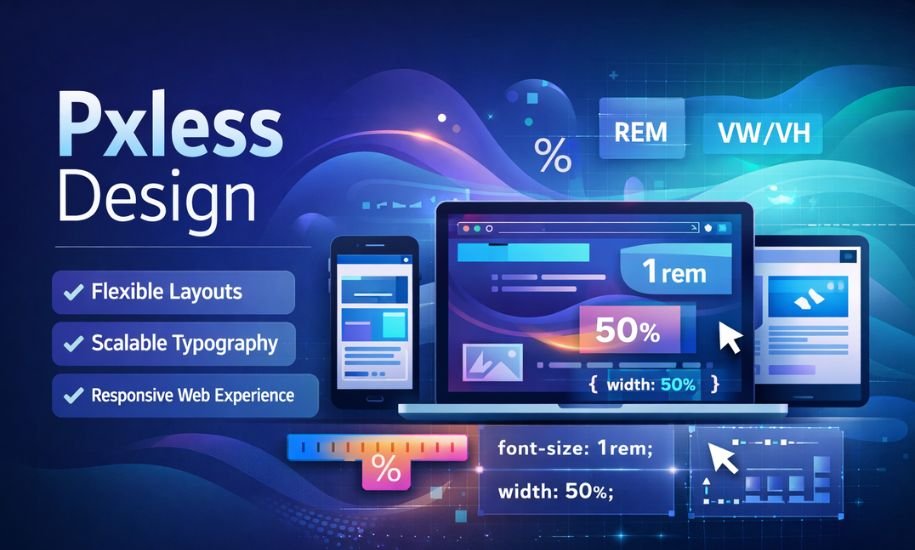
In today’s rapidly evolving digital landscape, the way websites and applications are designed has changed dramatically. Designers and developers are moving away from rigid layouts toward more fluid, adaptable systems that work seamlessly across devices. One concept gaining attention in this shift is pxless — a modern design philosophy centered on reducing dependency on fixed pixel measurements and embracing scalable, responsive structures.
This article explores what pxless means, why it matters, how it works, and why it could shape the future of web design, user experience, and digital branding.
Understanding the Meaning of Pxless
The term pxless comes from the idea of being “pixel-less,” or at least less dependent on fixed pixel values in digital design. Traditional web design relied heavily on exact pixel measurements to control layout dimensions, font sizes, and spacing. While this approach offered precision, it struggled to adapt to the growing diversity of screens — from smartphones and tablets to ultra-wide monitors and smart TVs.
Pxless design focuses instead on flexible units and relative scaling. Rather than locking elements into rigid dimensions, designers use proportional systems that adjust automatically to different environments. The goal is not to eliminate pixels entirely but to reduce reliance on them so interfaces remain adaptable and future-ready.
The Evolution from Pixel-Perfect to Pxless Design
For many years, “pixel-perfect” design was considered the gold standard. Designers aimed to replicate exact mockups with precise measurements, ensuring visual consistency. However, the explosion of device types and screen resolutions revealed the limitations of this method.
A layout that looked flawless on one screen might appear cramped, oversized, or broken on another. Maintaining pixel-perfect consistency across countless devices became time-consuming and inefficient.
Pxless emerged as a response to these challenges. Instead of designing for a single screen size, it embraces fluidity. Elements scale naturally, typography adjusts according to user settings, and layouts reorganize based on available space. This shift reflects a broader industry movement toward accessibility, responsiveness, and long-term scalability.
Core Principles Behind Pxless Design
At its core, pxless design is guided by several key principles that shape how modern interfaces are built.
1. Fluid Layouts
Rather than fixed widths, pxless layouts rely on percentages or viewport units. This allows containers and elements to expand or shrink depending on screen size, ensuring consistent usability.
2. Scalable Typography
Text sizes defined in relative units adapt to user preferences and accessibility settings. This improves readability and supports inclusive design practices.
3. Component-Based Thinking
Designers focus on flexible components that can be reused across multiple contexts instead of rigid page structures.
4. Resolution Independence
With pxless systems, visuals and layouts remain clear across different screen densities without requiring separate designs for each device.
How Pxless Works in Practice
Implementing pxless design involves using modern web technologies and thoughtful planning. Developers often rely on flexible CSS units such as rem, em, vw, vh, and percentages. Combined with tools like Flexbox and CSS Grid, these units allow elements to behave dynamically.
For example, instead of defining a button as 200 pixels wide, a pxless approach might set it to a percentage of its container or allow it to size automatically based on content. This reduces the need for constant adjustments when new screen sizes appear.
Another important aspect is the use of design systems and tokens. By defining spacing, typography, and color relationships rather than fixed values, teams can maintain visual consistency while still allowing flexibility.
Benefits of Pxless for Modern Websites
Improved Responsiveness
One of the most significant advantages of pxless design is its natural responsiveness. Interfaces adjust smoothly without relying on excessive breakpoints, making development more efficient.
Better Accessibility
Because pxless systems respect user scaling preferences, they support individuals who need larger text or zoomed interfaces. This makes digital products more inclusive and user-friendly.
Future-Proof Design
Technology evolves quickly, and new devices constantly enter the market. Pxless reduces the risk of layouts becoming outdated because designs adapt automatically to new environments.
Enhanced Performance
Flexible layouts often require fewer heavy assets and less complex code, which can improve loading speed — an important factor for both user experience and search engine optimization.
Consistent Branding
When design elements scale proportionally, brands can maintain a unified look across platforms without redesigning assets for each screen size.
Pxless and the Role of SEO
While pxless is primarily a design philosophy, it also influences search engine performance indirectly. Search engines favor mobile-friendly and accessible websites. Because pxless layouts adapt easily to different devices, they help meet modern usability standards.
Fast loading times, improved readability, and reduced layout shifts can all contribute to stronger SEO performance. Additionally, the keyword “pxless” itself represents a niche opportunity for content creators looking to explore emerging digital trends.
Real-World Applications of Pxless
Pxless is not limited to web design alone. Its principles can be applied across various digital industries:
- User Interface (UI) Design: Creating scalable dashboards and software interfaces.
- Mobile Applications: Designing adaptable components that work across screen sizes.
- E-commerce Platforms: Ensuring product pages look consistent on phones, tablets, and desktops.
- Digital Branding: Building flexible design systems that maintain identity across channels.
As companies prioritize user experience, pxless approaches help teams deliver consistent performance without constant redesign efforts.
Pxless vs Traditional Pixel-Based Design
Comparing pxless with traditional pixel-focused methods highlights the shift in mindset happening within the design world.
Pixel-based design emphasizes precision and strict control. It works well for static environments but struggles with adaptability. Pxless design, on the other hand, focuses on relationships between elements rather than fixed measurements. This allows interfaces to evolve alongside technology.
While pixel values still have their place — especially for fine details or specific visual effects — pxless encourages designers to think in terms of systems instead of static layouts.
Challenges and Misconceptions About Pxless
Despite its advantages, pxless design is sometimes misunderstood. Some people assume it eliminates structure or precision, which is not true. Pxless requires careful planning and strong design systems to ensure consistency.
Another challenge is transitioning from traditional workflows. Teams used to pixel-perfect design may need time to adapt to relative units and fluid layouts. However, once implemented correctly, pxless can simplify long-term maintenance and scalability.
The Future of Pxless in Digital Design
As technology continues to advance, pxless is likely to become more relevant. Emerging devices such as foldable phones, wearable screens, and immersive digital environments demand flexible design strategies. Rigid pixel-based layouts simply cannot keep up with these changes.
Designers are increasingly focusing on adaptable systems rather than fixed templates. Pxless represents a mindset shift — one that prioritizes user experience, accessibility, and long-term efficiency. In the coming years, we may see more tools and frameworks built specifically around pxless principles, making it easier for creators to adopt this approach.
Why Pxless Matters for Content Creators and Bloggers
Beyond technical design, pxless also carries branding and content opportunities. Because the keyword itself is unique and modern, it offers potential for niche authority in tech and design discussions. Bloggers exploring emerging digital trends can use pxless as a topic to attract readers interested in innovation and future-focused strategies.
For platforms like Anglia Times, discussing forward-thinking concepts such as pxless helps position the site as a source of fresh ideas in technology, web design, and digital culture. By covering evolving methodologies, blogs can engage audiences who want to stay ahead of industry changes.
Conclusion
Pxless is more than just a design trend — it reflects a broader transformation in how digital experiences are created. By moving away from rigid pixel measurements and embracing flexible, scalable systems, designers can build interfaces that adapt effortlessly to modern devices and user needs.
As the digital world becomes increasingly diverse, pxless offers a practical solution for creating accessible, responsive, and future-ready designs. Whether applied to websites, apps, or branding systems, its principles encourage innovation and efficiency. For readers and creators following new developments in technology, exploring pxless through platforms like Anglia Times highlights how design continues to evolve in response to changing user expectations and technological advancements.
