
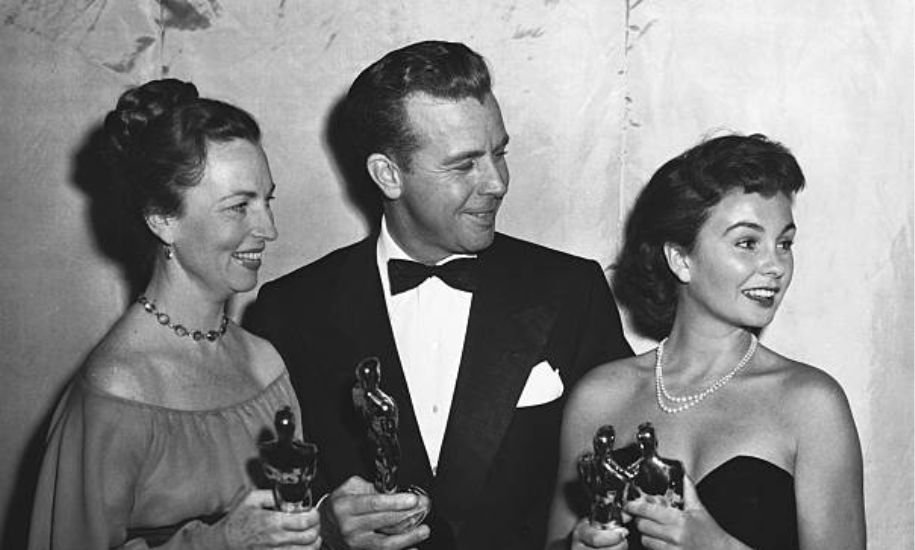
Introduction: Who is Jean Simmons?
Jean Simmons was one of the most graceful and enduring actresses of classic Hollywood cinema. Known for her expressive eyes, refined British charm, and powerful screen presence, she rose from modest beginnings in London to become an internationally celebrated film star.
Born on 31 January 1929 in Lower Holloway, London, Simmons began acting as a teenager and quickly captured attention with her natural talent. Over a career spanning more than six decades, she starred in critically acclaimed films, musicals, and television productions, earning both Academy Award nominations and Golden Globe recognition.
Her legacy remains deeply rooted in cinematic history, and even today, her performances continue to inspire film lovers around the world.
Early Life and Background
Jean Merilyn Simmons grew up in a working-class family in London. She had three siblings—Lorna Simmons, Edna Simmons, and Harold Simmons—and experienced financial hardship following her father’s death during World War II.
To support her family, she pursued acting and enrolled at the Aida Foster School of Dance, where she honed her performance skills. This early training would later contribute to her versatility in both dramatic and musical roles.
Her first film appearances came in the early 1940s, but it wasn’t long before she achieved widespread recognition.
Rise to Stardom: Breakthrough in British Cinema
Jean Simmons’ breakthrough role came in “Great Expectations” (1946), where she played young Estella. Her performance caught the attention of critics and filmmakers alike, setting the stage for her international career.
However, it was her role as Ophelia in “Hamlet” (1948) alongside Laurence Olivier that truly launched her into global fame. At just 19 years old, she received an Academy Award nomination for Best Supporting Actress, establishing herself as a serious talent.
Hollywood Success and Iconic Movies
After her success in Britain, Simmons moved to Hollywood, where she starred in a series of major films during the 1950s and 1960s.
Notable Jean Simmons Movies
- Hamlet (1948) – Oscar-nominated performance
- Young Bess (1953) – A historical drama showcasing her elegance
- The Robe (1953) – One of the first CinemaScope films
- Guys and Dolls (1955) – A musical hit where she displayed her singing talent
- The Big Country (1958) – A Western epic alongside Carroll Baker
- Spartacus (1960) – A legendary historical film with Kirk Douglas
- Elmer Gantry (1960) – Critically acclaimed drama
- The Happy Ending (1969) – Another Oscar-nominated role
Her performances often balanced emotional depth with sophistication, making her one of the most sought-after actresses of her era.
Jean Simmons and Singing Career
Although primarily known as an actress, Jean Simmons also demonstrated her musical abilities. Her role in “Guys and Dolls” (1955) required her to sing, and she performed her own vocals in the film.
While she never pursued a full-time singing career, her musical performances added another dimension to her artistic versatility.
Jean Simmons in Star Trek
In later years, Simmons transitioned into television, where she continued to impress audiences.
She made a memorable appearance in “Star Trek: The Next Generation”, playing a dignified and authoritative retired Starfleet admiral. Her performance showcased her ability to command the screen even in a guest role, proving her enduring talent across generations.
Personal Life: Family, Marriage, and Children
Jean Simmons’ personal life was as eventful as her career.
- First husband: Stewart Granger (married 1950–1960)
- Second husband: Richard Brooks (married 1960–1980)
She had two daughters:
- Tracy Granger
- Kate Brooks
Despite her fame, Simmons maintained a relatively private life, focusing on her family and career.
Jean Simmons Kiss – Common Misunderstanding
One of the most searched terms related to her is “Jean Simmons Kiss.”
This is often a case of mistaken identity, where people confuse her with Gene Simmons, the bassist of the rock band KISS. Jean Simmons had no connection to the band or its music scene.
Jean Simmons Net Worth
While exact figures vary, Jean Simmons’ net worth at the time of her death is estimated to have been between $5 million and $10 million.
Her wealth came from:
- Film contracts during Hollywood’s golden age
- Television appearances
- Long-term royalties and residuals
Given her long and successful career, her financial standing reflected her status as a major star.
Jean Simmons Smoker – Truth and Speculation
There has been some curiosity around whether Jean Simmons was a smoker.
While there is no consistently verified public record confirming her smoking habits, it is widely known that she died from lung cancer, which often leads to speculation. However, without definitive evidence, it remains uncertain whether smoking played a role in her illness.
Jean Simmons Cause of Death
Jean Simmons passed away on 22 January 2010 in Santa Monica, California, just days before her 81st birthday.
- Cause of death: Lung cancer
- Age: 80 years
Her death marked the end of an era, as she was one of the last surviving stars from Hollywood’s golden age.
Jean Simmons Death and Legacy
Jean Simmons’ death was widely mourned in the film industry. Tributes poured in from actors, directors, and fans who admired her work and elegance.
Her legacy includes:
- A career spanning over 60 years
- Performances in both classic and modern productions
- Recognition through awards and nominations
- Influence on future generations of actors
She remains a symbol of timeless beauty and artistic excellence.
Jean Simmons and Carroll Baker
Jean Simmons and Carroll Baker were contemporaries in Hollywood and both appeared in the epic Western film “The Big Country” (1958).
While Simmons was known for her refined and graceful roles, Carroll Baker gained attention for more bold and controversial performances, particularly in Baby Doll. Their contrasting styles highlight the diversity of talent in that era of cinema.
Awards and Achievements
Throughout her career, Jean Simmons received numerous accolades:
- Academy Award nomination for Hamlet
- Golden Globe Award for Guys and Dolls
- Emmy Award for The Thorn Birds
These honors reflect her versatility and enduring appeal.
Later Years and Television Career
In the later stages of her career, Simmons successfully transitioned to television.
She appeared in several notable productions, including:
- The Thorn Birds – Award-winning performance
- Various TV movies and guest appearances
Her ability to adapt to changing entertainment formats ensured her relevance even decades after her debut.
Why Jean Simmons Still Matters Today
Jean Simmons remains relevant for several reasons:
- Versatility: She excelled in drama, romance, musicals, and television
- Longevity: Her career lasted over six decades
- Cultural impact: She helped define Hollywood’s golden age
- Timeless appeal: Her performances continue to attract new audiences
In an industry where fame can be fleeting, Simmons achieved something rare—lasting respect and admiration.
Conclusion
Jean Simmons was more than just a film star—she was a symbol of elegance, resilience, and artistic excellence. From her early days in London to her rise in Hollywood, she carved out a career that few could match.
Her performances in films like Hamlet, Spartacus, and Guys and Dolls remain iconic, while her later television work demonstrated her adaptability and continued relevance.
Even after her passing in 2010, Jean Simmons continues to live on through her work, reminding us of a golden era of cinema defined by talent and grace.
For readers who appreciate classic Hollywood and timeless performances, Jean Simmons’ story is one worth revisiting—something we proudly explore here at Anglia Times.
