
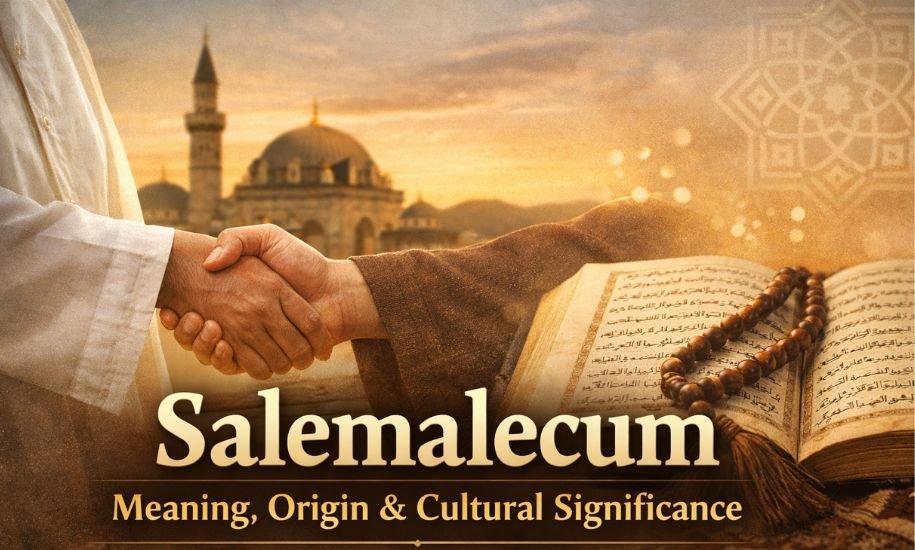
Language has always been a powerful tool for building relationships and expressing respect. Among the many greetings used worldwide, “salemalecum” stands out as a phrase deeply connected to peace, tradition, and cultural identity. Although this spelling may look unusual to some readers, it is actually a popular phonetic variation of the Arabic greeting “Assalamu Alaikum.” Across different countries, dialects, and online communities, people often spell words based on how they hear them, which is why variations like salemalecum, salam aleikum, or salamalekum appear frequently on blogs, social media, and search engines.
This article explores the meaning, linguistic roots, historical background, cultural relevance, and modern online usage of the keyword “salemalecum.” Whether you are researching for cultural knowledge, writing an educational blog, or simply curious about global greetings, understanding this phrase provides insight into one of the most widely recognized expressions of goodwill in the world.
The Meaning of Salemalecum
At its core, “salemalecum” is simply another way of writing “Assalamu Alaikum,” an Arabic phrase that translates to “peace be upon you.” The greeting expresses a wish for safety, harmony, and blessing toward the person being addressed. Unlike casual greetings such as “hello” or “hi,” this phrase carries a deeper emotional and spiritual meaning because it emphasizes peace as the foundation of human interaction.
The traditional response to the greeting is “Wa Alaikum Assalam,” meaning “and upon you be peace.” This exchange highlights mutual respect and positive intention between people. Even though the spelling “salemalecum” may not be linguistically accurate in classical Arabic, it reflects how language evolves when spoken by diverse communities around the globe.
Linguistic Origins and Historical Roots
The word behind “salemalecum” comes from the Arabic root letters S-L-M, which relate to peace, safety, and wholeness. This root appears in several important words, including “salaam,” meaning peace, and even the name of the religion Islam. Interestingly, similar words exist in other Semitic languages, such as the Hebrew greeting “shalom,” which also conveys peace and goodwill.
Historically, greetings based on peace have existed for centuries across the Middle East and North Africa. Over time, as trade, migration, and cultural exchange spread across continents, the greeting traveled far beyond Arabic-speaking regions. Today, you can hear variations of the phrase in South Asia, Africa, Europe, and online communities worldwide.
The spelling “salemalecum” likely emerged as non-Arabic speakers tried to write the sound of the greeting using their own alphabets or phonetic habits. French, Turkish, and African dialects have all influenced alternative spellings, which explains why search engines display multiple versions of the same phrase.
Cultural and Religious Significance
Beyond its linguistic meaning, “salemalecum” carries strong cultural and religious importance. In many Muslim societies, greeting others with peace is considered a sign of humility and kindness. Religious teachings encourage believers to spread greetings sincerely and respond politely, reinforcing values of unity and compassion.
However, the greeting is not limited to religious contexts alone. In many regions, people use it socially as a warm welcome or sign of friendship, regardless of strict religious practice. For example, in countries like Pakistan, Morocco, Turkey, and Indonesia, the phrase has become part of everyday conversation. It may be spoken when meeting friends, entering a home, or even starting a phone call.
Cultural etiquette often shapes how the greeting is delivered. In some communities, it is accompanied by a handshake, while in others, people may place a hand over their heart as a gesture of respect. These variations demonstrate how a simple phrase adapts to different traditions while preserving its original spirit of peace.
Why Different Spellings Like “Salemalecum” Exist
One of the most interesting aspects of this keyword is the variety of spellings found online. Since Arabic uses a different script from English, there is no single “correct” way to write the greeting using the Latin alphabet. People often spell words according to pronunciation, leading to versions such as:
- Salemalecum
- Salam Aleikum
- Salamalekum
- Salaam Alaikum
- Assalamualaikum
These variations reflect regional accents and language influences. For example, French speakers might write “Salam Aleykoum,” while Turkish users may prefer “Selamün Aleyküm.” Search engines recognize these as related keywords, which is why bloggers sometimes use multiple spellings to reach a broader audience.
In digital culture, phonetic spellings like “salemalecum” also make the phrase more accessible to people unfamiliar with Arabic transliteration rules. While scholars may prefer standardized spellings, everyday internet users often choose simplicity and readability.
Modern Usage in Social Media and Online Content
With the rise of global communication platforms, “salemalecum” has gained visibility beyond traditional cultural spaces. Social media users frequently include the greeting in captions, comments, or usernames as a symbol of positivity and identity. Music lyrics, online forums, and multilingual blogs have also contributed to the spread of alternative spellings.
From an SEO perspective, the keyword “salemalecum” represents an interesting example of how language evolves online. Many people search for greetings based on how they hear them spoken rather than how they are formally written. As a result, content creators who understand these variations can reach audiences searching for cultural meanings, translations, or explanations.
For bloggers and writers, using the keyword naturally within informative content helps readers discover the cultural story behind the phrase instead of viewing it as just another internet slang term.
Symbolism of Peace and Human Connection
The most powerful aspect of “salemalecum” is the message it conveys. In a world often shaped by fast communication and short interactions, a greeting that emphasizes peace reminds people of shared humanity. Words rooted in peace exist across many cultures, but this particular phrase has become globally recognized due to its simplicity and sincerity.
When someone says “salemalecum,” they are not just greeting another person; they are expressing hope for safety, well-being, and positive interaction. This symbolism explains why the phrase remains relevant even in modern digital spaces where language changes rapidly.
The idea of peace embedded within the greeting also connects it to broader cultural values. Communities that use the phrase often view greetings as an important social ritual that builds trust and respect. Whether spoken face-to-face or typed in an online comment, the phrase continues to carry emotional weight.
How to Use Salemalecum Respectfully
If you are new to the phrase, using it respectfully is simple. Pronounce it gently and with sincerity, and be open to receiving the traditional reply. Understanding the cultural context behind the greeting shows appreciation for its meaning rather than treating it as a trend or novelty.
In multicultural environments, learning greetings from different languages helps bridge gaps between communities. Even when spelled differently, the intention behind “salemalecum” remains the same: spreading goodwill and starting conversations on a positive note.
The Role of Salemalecum in Global Communication
As the world becomes more interconnected, words travel faster than ever before. Greetings like “salemalecum” demonstrate how language adapts across borders while preserving its original message. From ancient linguistic roots to modern search trends, the phrase reflects a blend of tradition and innovation.
Many educational blogs and cultural platforms continue to explain the meaning behind the greeting to help readers understand its deeper significance. By exploring the history, language, and symbolism of “salemalecum,” writers can create content that educates while also respecting cultural traditions.
Conclusion
In summary, “salemalecum” is more than just a keyword or alternative spelling; it represents a timeless greeting rooted in peace and respect. Originating from Arabic language and culture, the phrase has traveled across continents, evolving into multiple spellings while maintaining its essential meaning. Today, it appears in social media posts, blogs, and online searches as people seek to understand global traditions and expressions of goodwill.
For readers and writers alike, learning about greetings like “salemalecum” offers an opportunity to appreciate the diversity of human communication. By recognizing the cultural and historical context behind the phrase, we can use language more thoughtfully and connect with others in meaningful ways. Educational platforms and blogs, including English cultural publications such as Anglia Times, continue to share insights into global expressions and help audiences explore traditions that promote unity and understanding.
