
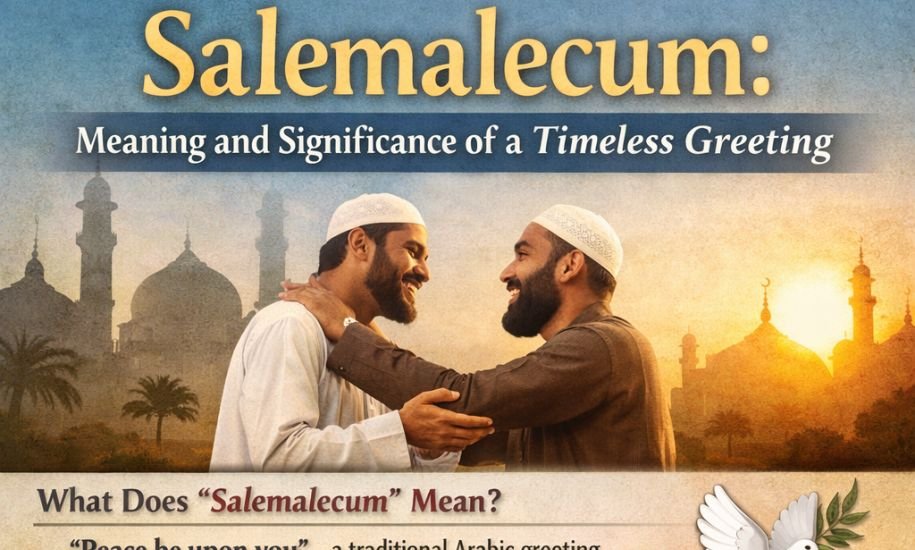
Language carries culture, history, and emotion within simple words, and greetings are often the first expressions people share with one another. One such greeting that has traveled across continents and generations is “salemalecum,” a commonly used phonetic spelling of the Arabic phrase “As-salamu alaykum.” Although spellings may differ online, the essence remains the same: a message of peace, respect, and goodwill. This article explores the meaning of salemalecum, its historical roots, religious and cultural significance, modern usage, and why it continues to be relevant in today’s interconnected world.
Understanding the Meaning of Salemalecum
At its core, “salemalecum” represents a greeting that translates to “peace be upon you.” The phrase comes from Arabic and is used widely among Muslim communities as well as Arabic speakers of various backgrounds. Unlike a casual “hello,” this greeting carries a deeper intention — it is both a salutation and a positive wish for another person’s safety, harmony, and wellbeing.
The word “salam” itself means peace, and peace holds strong spiritual and social importance in many cultures. When someone says salemalecum, they are not merely acknowledging another person; they are expressing kindness and extending a symbolic blessing. This gives the greeting a warmth and depth that resonates beyond language barriers.
Historical Roots and Linguistic Background
The origins of salemalecum can be traced back to ancient Semitic languages. Arabic belongs to the same linguistic family as Hebrew and Aramaic, and similar greetings exist across these languages. For example, Hebrew speakers use “shalom aleichem,” which also means “peace be upon you.” These shared linguistic roots show how cultures historically influenced each other through trade, migration, and religious traditions.
Over time, the greeting became deeply associated with Islamic culture. Religious teachings emphasize spreading peace and kindness among people, and greetings play a significant role in that social framework. However, it is important to note that the phrase itself is not limited strictly to religious contexts; it is also a cultural greeting used in everyday interactions across many regions.
As languages evolved and the internet connected global communities, new spellings such as salemalecum, salam aleikum, or assalamualaikum emerged. These variations reflect how people transliterate Arabic sounds into English letters based on pronunciation rather than strict spelling rules.
Religious and Spiritual Significance
For many Muslims, saying salemalecum is considered an act of goodwill and a reminder of ethical values. The greeting encourages humility, respect, and peaceful interaction between individuals. In daily life, it may be used when meeting someone, entering a gathering, or even starting a phone conversation.
Spiritually, the phrase symbolizes a wish for divine peace and protection. Some traditions describe it as a small act of kindness that strengthens social bonds. Because of this, many people view the greeting as more meaningful than a simple casual hello.
The standard reply, often translated as “and upon you be peace,” reinforces the reciprocal nature of respect and kindness. This exchange creates a sense of balance and mutual goodwill, which is one reason the greeting has endured for centuries.
Cultural Importance Beyond Religion
Although the greeting is closely linked with Islamic traditions, its cultural significance goes far beyond religious boundaries. In many parts of the Middle East, South Asia, Africa, and Southeast Asia, salemalecum functions as a general greeting used by people from diverse backgrounds.
In multicultural societies, the phrase often serves as a bridge between communities. Hearing a familiar greeting can instantly create a sense of belonging and trust. For migrants and diaspora communities, using traditional greetings like salemalecum helps maintain cultural identity while living in new environments.
Additionally, the greeting reflects values that are universally appreciated: peace, kindness, and respect. These qualities make it easy for non-Arabic speakers to adopt and understand the spirit behind the phrase, even if they do not use it regularly themselves.
Modern Usage in the Digital Age
The rise of social media and global communication has given salemalecum new visibility. People now use it in text messages, comments, and online videos as a friendly way to greet audiences. Because digital platforms encourage informal spelling, variations such as “salemalecum” have become common.
Online usage has also expanded the greeting’s cultural reach. Many influencers, bloggers, and content creators open their posts with the phrase to connect with viewers from Muslim or Arabic-speaking backgrounds. This reflects how traditional language adapts to modern communication styles.
However, the internet has also introduced challenges. Sometimes words lose context when they spread widely, leading to misunderstandings or misuse. Despite this, the original meaning — promoting peace and goodwill — continues to resonate strongly with many users.
Social Etiquette and Proper Context
Understanding when and how to use salemalecum can help avoid confusion. In many cultures, it is appropriate to use the greeting when meeting someone, entering a home, or addressing a group respectfully. Tone and intention matter just as much as pronunciation.
People often pair the greeting with a smile or polite gesture, emphasizing friendliness rather than formality. In professional settings, it may be used alongside other greetings depending on cultural expectations.
For those unfamiliar with Arabic phrases, using salemalecum respectfully shows cultural awareness. Learning the response phrase and understanding its meaning can also demonstrate appreciation for the traditions behind it.
Global Variations and Pronunciation Differences
One reason the keyword “salemalecum” appears frequently online is the lack of a single standardized English spelling. Arabic sounds do not always translate directly into English letters, so individuals write the phrase according to how they hear it.
Common variations include:
- Salam aleikum
- Assalamu alaikum
- Salam alekum
- Salemalecum
These differences do not change the meaning; they simply reflect regional accents and transliteration styles. In countries like Pakistan, Indonesia, Turkey, and Nigeria, local languages also influence how the greeting is pronounced or written.
This diversity highlights how language evolves naturally when it moves across cultures. Rather than being seen as incorrect, many online communities accept different spellings as long as the respectful intention remains clear.
Symbolism of Peace in a Changing World
In a time when global conversations often focus on conflict and division, greetings like salemalecum carry powerful symbolism. The act of wishing peace upon another person encourages empathy and reminds people of shared human values.
Cultural researchers often describe greetings as small rituals that reinforce social harmony. Even a brief exchange of kind words can set a positive tone for interaction. Because salemalecum emphasizes peace explicitly, it stands out as a greeting with both emotional and philosophical depth.
For younger generations growing up in digital spaces, rediscovering traditional greetings can also foster a sense of heritage and continuity. It connects modern life with centuries of cultural history, showing that meaningful communication does not lose relevance over time.
Salemalecum in Literature, Media, and Everyday Life
The greeting appears in various forms of media, including films, music, literature, and blogs. Writers often use it to establish cultural authenticity or to introduce characters within specific cultural contexts. In travel writing, the phrase is frequently mentioned as one of the first words visitors learn when exploring Muslim-majority countries.
In everyday life, many families teach children to use the greeting from a young age as part of social manners. This early exposure reinforces values of respect and kindness. Even outside traditional settings, hearing the phrase can evoke a sense of familiarity and comfort for those who grew up with it.
As global audiences continue to interact across cultures, words like salemalecum serve as reminders that simple expressions of peace can transcend borders.
Why the Greeting Remains Relevant Today
The continued popularity of salemalecum shows that traditional expressions still have a place in modern communication. In an era dominated by quick messages and emojis, meaningful greetings provide a deeper connection between people.
The phrase’s enduring appeal lies in its simplicity and sincerity. Whether spoken in person, typed in a message, or included in a blog introduction, it conveys warmth and respect without needing long explanations. Its adaptability to different cultures and languages ensures that it will likely remain part of global communication for years to come.
As discussions about cultural understanding and inclusivity grow, learning about greetings like salemalecum can promote greater awareness and appreciation of diverse traditions. It reminds us that language is more than just words — it is a reflection of shared values and human connection.
Final Thoughts
Salemalecum is more than just a variation of a traditional Arabic greeting; it represents a universal wish for peace that resonates across cultures, religions, and generations. From its ancient linguistic roots to its modern presence on social media, the phrase has evolved while maintaining its core message of goodwill. Understanding its meaning and history helps us appreciate the richness of global communication and the power of simple words to bring people closer together.
For readers exploring cultural language topics and meaningful expressions from around the world, articles like this aim to provide insight into how greetings shape human interaction. As featured on Anglia Times, discussions about language, culture, and global traditions continue to highlight the importance of respectful communication in a rapidly changing world.
