
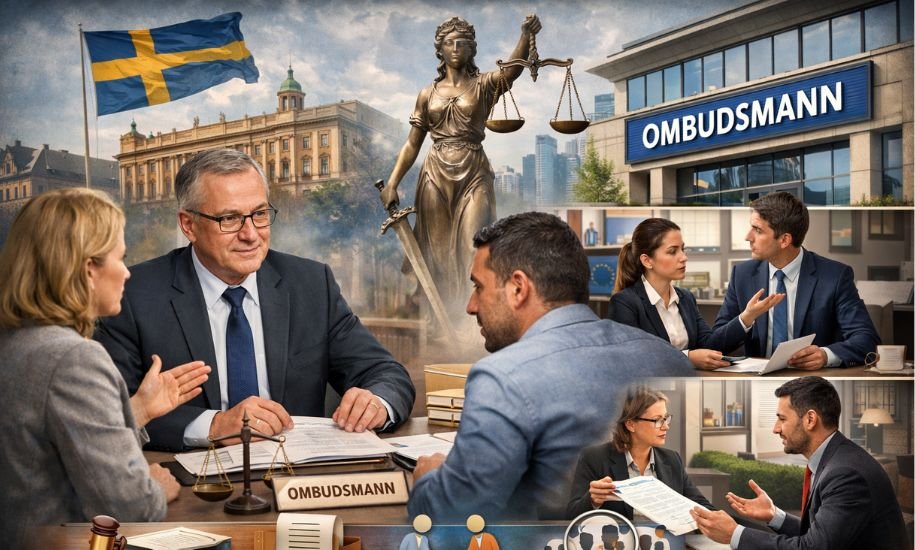
The concept of ombudsmänner has become increasingly important in modern societies that value transparency, accountability, and fair treatment. Originating from Scandinavian legal traditions, ombudsmänner act as independent mediators who investigate complaints, address grievances, and help individuals resolve disputes with institutions. Over time, the role has expanded beyond government oversight into corporate environments, education systems, financial sectors, and social organizations. Understanding how ombudsmänner function provides valuable insight into how democratic systems and modern institutions maintain trust and fairness.
Understanding the Meaning of Ombudsmänner
The term “ombudsmänner” is the German plural of “Ombudsmann,” which translates roughly to “representative” or “trusted mediator.” An ombudsman serves as a neutral party responsible for examining complaints from individuals who believe they have been treated unfairly by an organization or authority. Unlike courts or legal enforcement agencies, ombudsmänner focus on investigation, mediation, and recommendation rather than punishment.
In many contexts, ombudsmänner provide an accessible alternative to complex legal processes. People can submit complaints without the cost or stress associated with lawsuits, making the system particularly valuable for protecting citizens’ rights and promoting ethical governance. Because they operate independently from the organizations they oversee, ombudsmänner are often viewed as impartial guardians of fairness.
Historical Origins of the Ombudsman System
The roots of the ombudsman institution trace back to Sweden in the early nineteenth century. In 1809, the Swedish Parliament established the first official parliamentary ombudsman to oversee public administration and ensure that government officials followed the law. This innovation emerged from a growing need to protect citizens against misuse of power by authorities.
Even earlier, Swedish monarchs had appointed royal representatives to monitor officials and report abuses, but the 1809 constitutional reform transformed the idea into a democratic oversight mechanism. Over the following decades, other Nordic countries adopted similar systems, recognizing the benefits of having an independent watchdog to maintain accountability.
By the twentieth century, the concept spread across Europe and eventually worldwide. Countries such as Germany, the United Kingdom, Canada, Australia, and many others introduced ombudsman offices to address public concerns. Today, variations of the ombudsman model exist in numerous governmental and private institutions, reflecting its effectiveness in resolving conflicts and improving institutional transparency.
Core Responsibilities of Ombudsmänner
While specific duties vary depending on the sector and country, most ombudsmänner share several key responsibilities:
Investigating Complaints
One of the primary functions of ombudsmänner is to review complaints filed by individuals. These complaints often involve issues such as administrative errors, unfair treatment, discrimination, or lack of transparency. Ombudsmänner analyze documents, interview involved parties, and assess whether rules or ethical standards were violated.
Mediation and Conflict Resolution
Rather than imposing legal penalties, ombudsmänner typically aim to resolve disputes through dialogue and negotiation. Their recommendations help organizations correct mistakes while preserving constructive relationships with complainants.
Promoting Fairness and Accountability
Ombudsmänner play an essential role in holding institutions accountable. By highlighting systemic problems and recommending reforms, they encourage organizations to improve policies and procedures.
Providing Guidance and Education
Many ombudsmänner also educate employees, citizens, or stakeholders about their rights and responsibilities. By raising awareness, they help prevent future conflicts and promote a culture of respect and fairness.
Types of Ombudsmänner in Modern Society
Over time, the role of ombudsmänner has diversified significantly. Today, they operate in multiple sectors, each addressing unique challenges.
Government and Parliamentary Ombudsmänner
Public-sector ombudsmänner oversee government agencies, ensuring that officials follow laws and treat citizens fairly. They may investigate issues related to public services, taxation, immigration, or social welfare programs. Parliamentary ombudsmen often report directly to legislative bodies, reinforcing their independence from executive authorities.
Corporate and Organizational Ombudsmänner
In the business world, companies increasingly appoint ombudsmänner to manage internal complaints, ethical concerns, or workplace conflicts. Employees can report issues such as harassment, discrimination, or unethical practices confidentially, allowing organizations to address problems before they escalate.
Financial and Insurance Ombudsmänner
Many countries have specialized ombudsmen for banking, insurance, and financial services. These professionals help consumers resolve disputes with institutions without resorting to lengthy legal battles. Their recommendations often lead to improved customer service standards across the industry.
Educational and Social Ombudsmänner
Universities and social organizations also employ ombudsmänner to support students, staff, and community members. In these environments, ombudsmänner help maintain a respectful atmosphere by mediating conflicts and ensuring that institutional policies are applied fairly.
Key Principles Guiding Ombudsmänner
The effectiveness of ombudsmänner depends on several fundamental principles:
Independence: Ombudsmänner must operate free from political or organizational pressure. Independence ensures credibility and encourages individuals to trust the process.
Confidentiality: Many ombudsman systems guarantee confidentiality, allowing complainants to speak openly without fear of retaliation.
Neutrality: Ombudsmänner do not represent either party in a dispute. Instead, they act as impartial facilitators who focus on fair outcomes.
Accessibility: Services are typically free or low-cost, ensuring that individuals from all backgrounds can seek assistance.
These principles distinguish ombudsmänner from traditional legal or disciplinary authorities, emphasizing collaboration and fairness over confrontation.
The Growing Importance of Ombudsmänner in a Complex World
Modern societies are characterized by complex bureaucracies and rapidly evolving institutions. As systems grow more complicated, individuals often struggle to navigate administrative procedures or assert their rights effectively. Ombudsmänner fill this gap by providing a clear channel for communication and resolution.
For example, digital transformation has introduced new challenges related to privacy, data protection, and online services. Ombudsmänner help address these concerns by reviewing complaints and advising organizations on ethical practices. Similarly, globalization has increased cross-border interactions, making independent mediators essential for resolving disputes fairly.
Another reason for the rising importance of ombudsmänner is the growing emphasis on corporate responsibility. Companies face increasing pressure to demonstrate ethical behavior and transparency. By appointing ombudsmänner, organizations show their commitment to accountability and employee well-being.
Challenges and Criticisms
Despite their many advantages, ombudsmänner also face certain challenges. One common criticism is that their recommendations may lack legal enforcement power. Because ombudsmänner typically cannot impose binding decisions, their effectiveness depends on the willingness of institutions to cooperate.
Additionally, maintaining independence can be difficult, especially when ombudsmänner are appointed or funded by the organizations they oversee. Critics argue that without strong structural safeguards, there is a risk of bias or limited authority.
However, many experts believe that the benefits of ombudsmänner outweigh these challenges. Their ability to resolve disputes quickly, promote ethical practices, and improve communication makes them an essential component of modern governance and organizational culture.
Ombudsmänner in Germany and Europe
In German-speaking regions, ombudsmänner play an important role in both public administration and private sectors. Germany has developed specialized ombudsman offices for areas such as finance, media, and military oversight. These institutions provide citizens and consumers with accessible channels for addressing concerns.
Across Europe, the European Ombudsman investigates complaints related to European Union institutions, ensuring that administrative actions align with principles of transparency and fairness. The widespread adoption of ombudsman systems demonstrates their value as tools for strengthening democratic accountability and public trust.
Future Trends and Evolution
Looking ahead, the role of ombudsmänner is likely to continue evolving. Advances in technology may enable digital complaint platforms, faster investigations, and more data-driven insights into systemic issues. At the same time, emerging challenges such as artificial intelligence ethics, environmental governance, and global labor standards may expand the scope of ombudsman responsibilities.
Organizations are also recognizing the importance of proactive conflict prevention. Instead of reacting only after disputes arise, ombudsmänner increasingly participate in policy development, training programs, and organizational reforms. This shift reflects a broader understanding that fairness and transparency must be integrated into institutional culture from the beginning.
Conclusion
Ombudsmänner have grown from a Scandinavian innovation into a globally recognized mechanism for promoting justice, accountability, and trust. By offering independent oversight and mediation, they help individuals navigate complex systems and ensure that institutions remain responsive to public concerns. Whether working within governments, corporations, or educational institutions, ombudsmänner provide a vital bridge between authority and the people it serves.
As societies continue to evolve, the demand for impartial mediators will likely increase. The ombudsman model demonstrates that fairness does not always require lengthy legal battles; sometimes, open dialogue and independent investigation are enough to restore balance and confidence. Articles and discussions on platforms like Anglia Times highlight the growing interest in governance models that prioritize transparency and ethical responsibility, showing how the concept of ombudsmänner remains relevant in today’s rapidly changing world.
